Editor’s Note: Current as of October 2026.
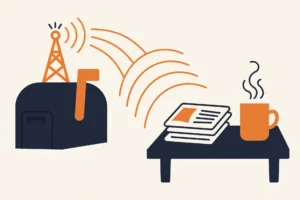
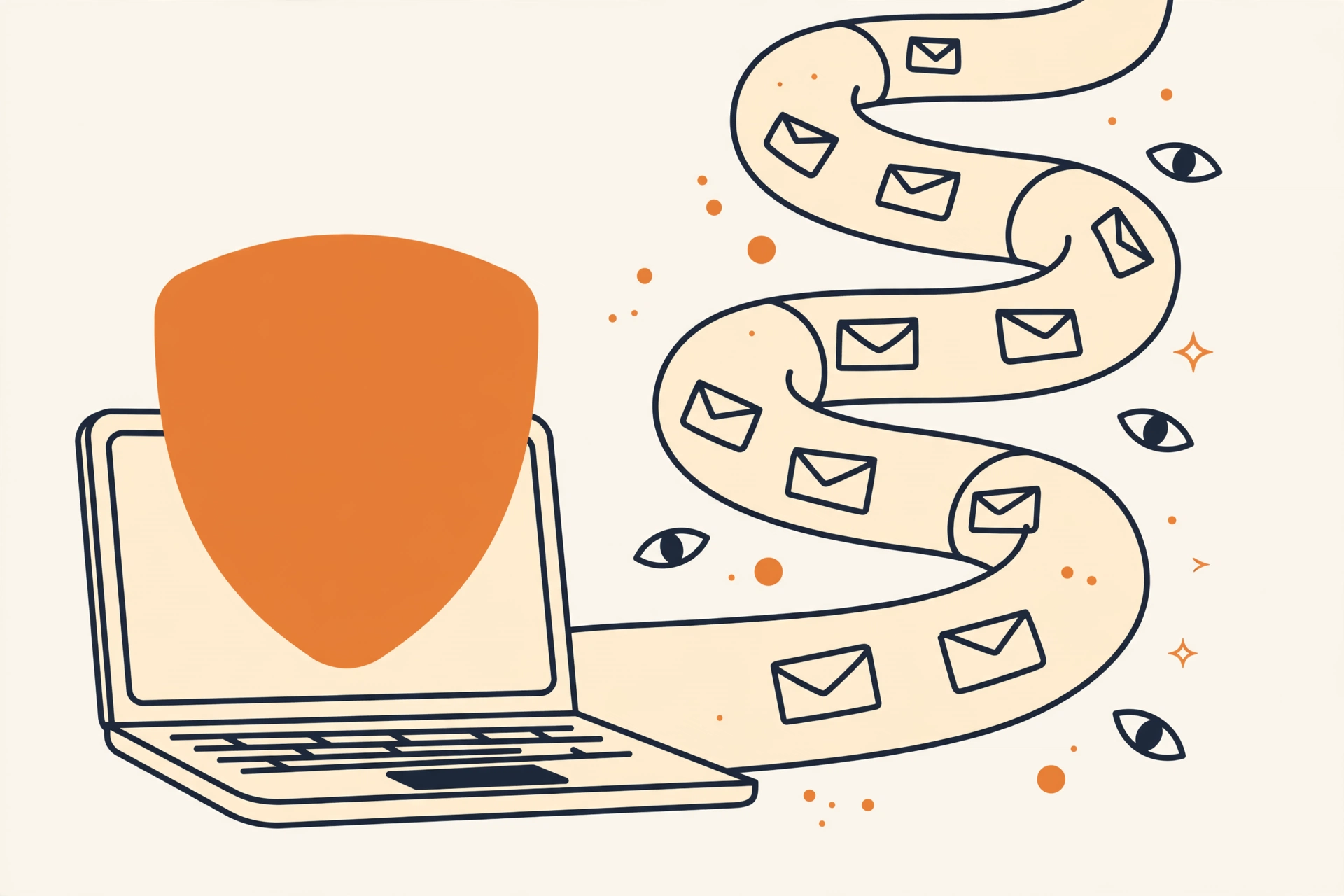
Imagine you’re sending a letter. Without a VPN, it’s a postcard. Anyone who handles it along the way can read every word. With a VPN, your letter goes in a sealed envelope inside a locked tube, and the return address on the outside says somewhere else entirely. Everything useful about a VPN follows from it.
In a sentence: a VPN hides your internet traffic from the network you’re on and hides your location from the websites you visit, but it doesn’t make you invisible, and most people at home simply don’t need one.
Plain-English Verdict
Most people sitting on password-protected home wifi do not need one. If you regularly work from cafe or airport wifi, or you don’t want your internet provider logging every site you visit, a VPN is a genuinely useful tool. It will not make you invisible online, though. (And no, this site earns nothing either way. There are no affiliate links here.)
What we actually did: this is a research review, not a hands-on test (we installed nothing and bought nothing). We cross-checked the facts below against Gizmodo’s 2026 VPN guides and the EFF’s Surveillance Self-Defense guide. We also want to say this clearly: no VPN company pays us anything, so there is no incentive here to talk you into one.
What a VPN actually does
VPN stands for virtual private network, but forget the name. Here’s what happens when you switch one on.
- It builds an encrypted tunnel. All your internet traffic gets scrambled before it leaves your device and travels to a server run by the VPN company. Your internet provider, the cafe owner, or a stranger on the same wifi sees only gibberish going to one destination: not the sites you’re visiting.
- It changes your address on the internet. Every device has an IP address, roughly like a return address. Websites you visit see the VPN server’s address instead of yours, so they see the server’s location instead of yours.
- It moves who you trust. Before a VPN, your internet provider could see every site you visit. After one, the provider sees almost nothing, but the VPN company could see it instead. So a VPN is only as private as the company running it, which is why its logging policy matters.
What it does NOT do
This is where the ads get dishonest, so let’s be blunt.
- It doesn’t make you anonymous. If you’re signed into Google, Facebook, or any account, those services know exactly who you are no matter what country your connection appears to come from. A VPN changes where you appear to be, not who you are.
- It doesn’t stop malware. The tunnel protects traffic in transit. It doesn’t scan your downloads, clean an infected computer, or stop you from clicking a phishing link. As the EFF puts it, claims that a VPN alone stops criminals, malware, and tracking vastly oversell it.
- It doesn’t stop tracking. Cookies and browser fingerprinting (the little details your browser leaks, like screen size and fonts) keep working with a VPN on. Trackers that identify your browser don’t care about your IP address.
The coffee-shop wifi test
You’re working from a cafe with open wifi. The person at the next table can potentially watch unencrypted traffic flying around the room. With a VPN running, all they see is scrambled noise heading to one server: nothing useful.
If that sentence made you think “I basically never do that,” you have just answered the do-I-need-one question.
When it’s a waste of money
Most of our browsing already uses HTTPS, which is the little padlock in your address bar. That means your banking, shopping, and email traffic is already encrypted and unreadable in transit, VPN or not. A VPN adds a layer and hides which sites you visit, but the contents were never exposed to begin with. On your own password-protected home wifi, the only watcher is likely your internet provider, and many people are fine with that. Paying every month for protection you don’t use is a subscription you forgot you didn’t need.
One more honest note: a VPN doesn’t change what’s legal. Copyright rules, local laws, and a website’s terms apply exactly as they did before you connected.
Jargon Decoder
“Encryption” just means: your messages get scrambled into a secret code before they travel, and only the intended recipient holds the key to unscramble them. It’s the sealed envelope from our opening analogy.
Keep reading
- What is two-factor authentication?: a VPN protects the connection; two-factor authentication protects your accounts when a password leaks. Security works in layers.
- What is a password manager?: this and a VPN are the two tools we’d hand a beginner first, but they solve completely different problems. Here’s the other half.
Method: Research review (no hands-on testing). Cross-checked against Gizmodo’s 2026 VPN guides and the EFF’s Surveillance Self-Defense guide. Checked October 10, 2026.
Corrections: Spotted an error? Tell us — we fix mistakes publicly and date them.
Source: Gizmodo, “What Is a VPN and How Does It Work? A 2026 Guide”; SciExaminer, “What Is a VPN, and What Does It Actually Do?”
Like plain-English tool guides? Our newsletter rounds up the week’s posts every Saturday. Join here.